GI Bill®
You can use the educational benefits you’ve earned to train for a career as a pilot, however, in most cases, you must obtain your Private Pilot’s License first.
That is unless you are attending an approved degree-producing program.

Military to Metro
Your aviation career can keep growing after the military. Take a closer look at the training resources and transition opportunities that can help you get there.
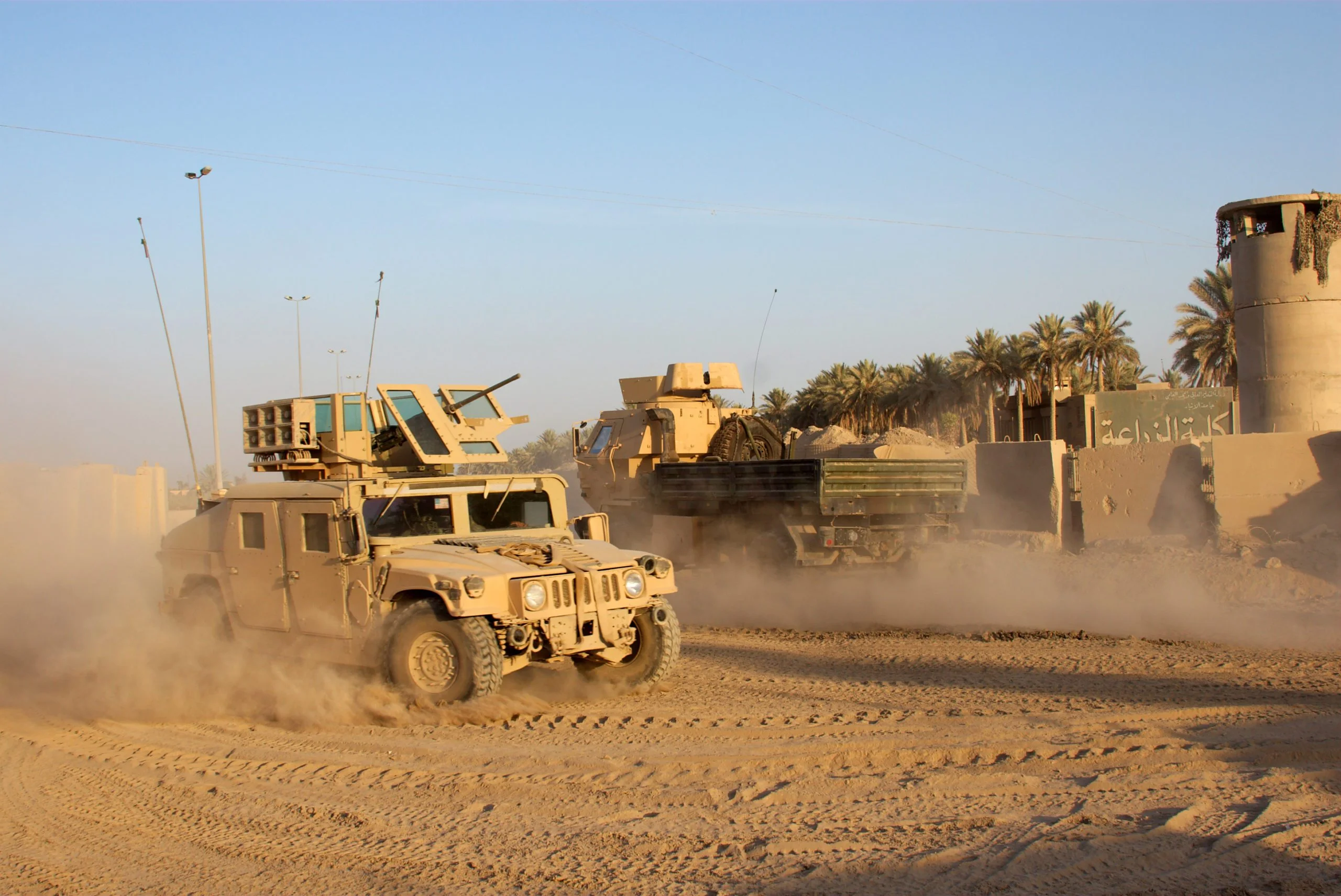
Just because you weren’t a military pilot doesn’t mean you can’t use your benefits to earn your license. Pilots must build time and certifications, both of which can be costly.
We got some tips from Erik Sabiston, formerly with RTAG, on how to use your military benefits to become a pilot for free.
Flight training resources
The Veteran Readiness and Employment (VR&E) program was previously called Vocational Rehab. It helps disabled veterans prepare for a new job. You’ll be required to fill out a lot of paperwork and meet with a career counselor. According to Erik, vets have used the program “to obtain everything from initial flight training to actual type ratings.”
He cautions that most VR&E counselors aren’t pilots, so you’ll need to be prepared coming into your meeting.
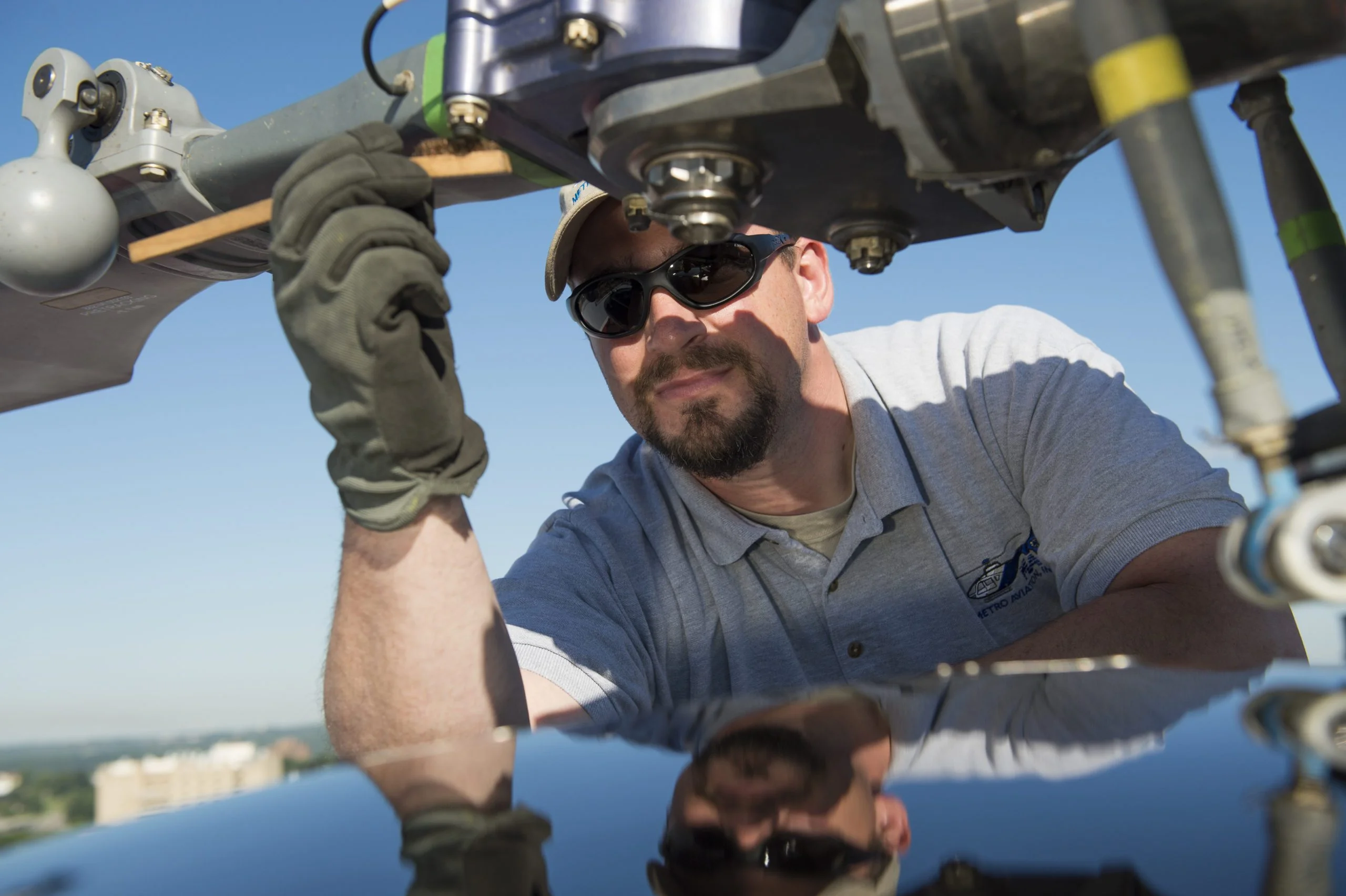
You can use the educational benefits you’ve earned to train for a career as a pilot, however, in most cases, you must obtain your Private Pilot’s License first.
That is unless you are attending an approved degree-producing program.
WIOA is a federally-funded program that helps get Americans into high quality jobs. You’ll need to find a flight school that is an approved partner, meet with a counselor, and tackle a lot of paperwork.
WIOA paid for Erik’s Commercial Single Engine Land and Instrument Airplane certifications.
More ways forward
If you’re motivated, Erik says this is an easy way to get money! Scholarships for training exist within local communities and regions.
You can also find scholarships through AOPA.
The FAA has the money to help encourage new pilots, but can’t provide scholarships or financial aid to applicants. However, approved flight schools and charities can offer scholarships as a funded activity.
Each military branch operates their own credentialing program. They vary widely, but some Army RTAGers are using the program to pay for $4,000 of training each year.
Contact your local transition services office for more info or explore your branch’s program:
From service to civilian aviation
The SkillBridge program is basically a paid internship that allows you to spend several months training for your new career with an approved business.
It is an opportunity for service members to gain valuable civilian work experience through specific industry training, apprenticeships, or internships during the last 180 days of service. SkillBridge connects transitioning service members with industry partners in real-world job experiences.
A new chapter in action
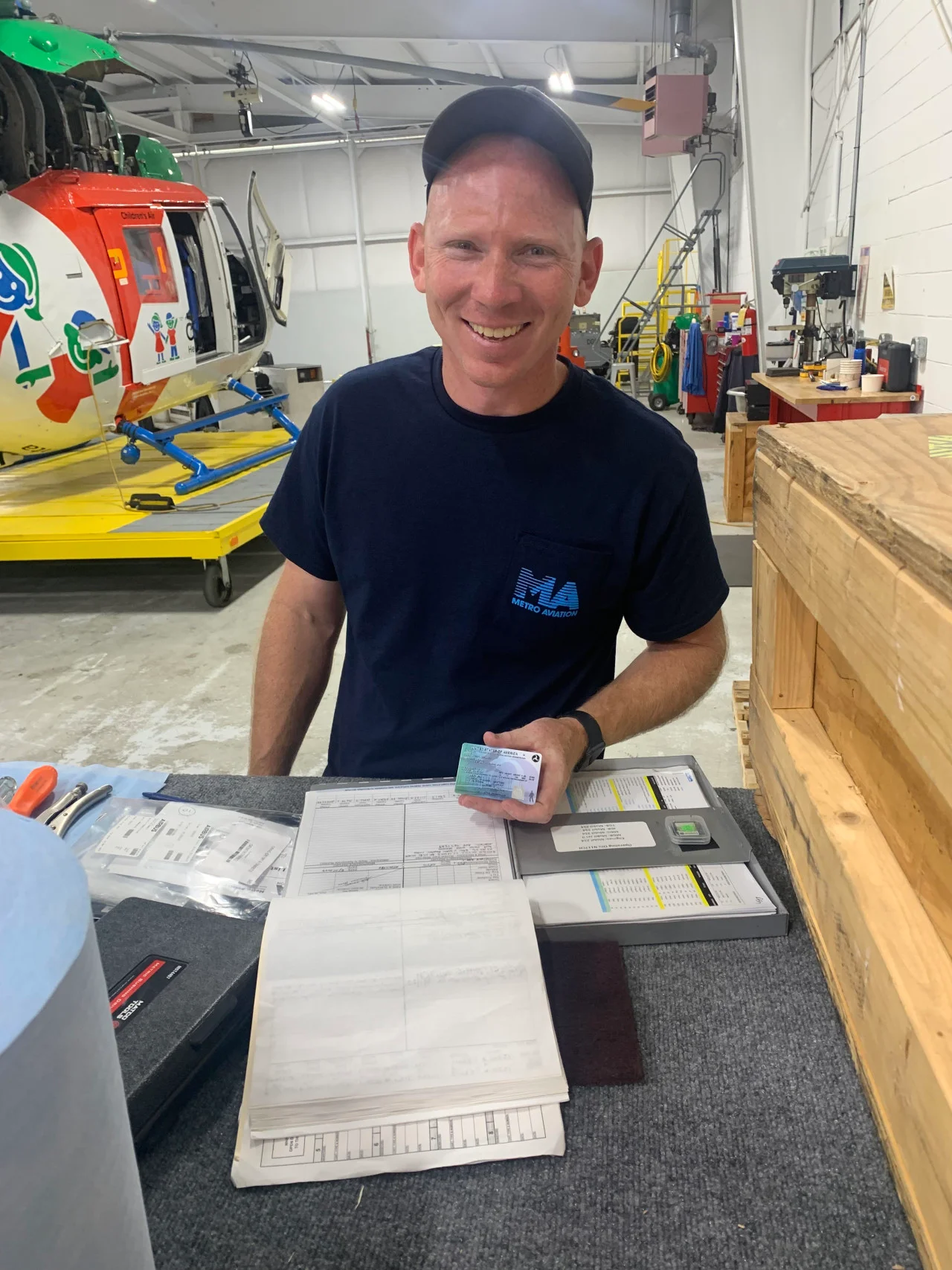
Eric served 20 years as an Aircraft Mechanic in the Marines before retiring as a Gunnery Sergeant. He started SkillBridge with Metro in July 2023 and earned his A&P license a few months later! Here he is using his license for the first time to sign off work on a Metro Aviation helicopter.
Meet more veterans at Metro